
1
Kurze Erfassung
Grösse, Gewicht und ein kurzer Risikofragebogen.
Bone Health Screening Day
Ein eintägiges, strahlungsfreies Knochenscreening für Ihre Mitarbeitenden — insbesondere für Frauen ab 45 während und nach der Menopause. Ergänzt Ihr bestehendes BGM-, Präventions- oder Menopausen-Programm um eine echte Messung.
Bis zu 40 Mitarbeitende10 Minuten pro PersonCHF 2'990 bei Buchung bis 20. Oktober
Warum Knochen
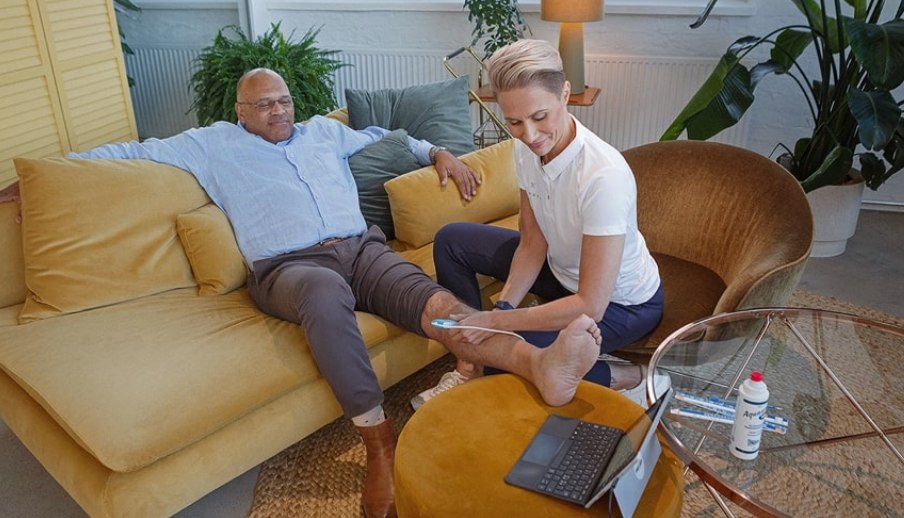
Menopausen- und Präventionsprogramme decken Symptome, Wissen und Lebensstil ab. Knochenabbau verläuft dagegen still — er beschleunigt sich rund um die Menopause und bleibt meist bis zum ersten Bruch unbemerkt. Bindex ergänzt eine tatsächliche Messung.
Für Mitarbeitende
Grösse, Gewicht und ein kurzer Risikofragebogen.
Strahlungsfreie Messung am Schienbein mit Bindex.
Jede Person erhält ihr Ergebnis vertraulich per E-Mail, mit Hinweis, ob eine ärztliche Abklärung sinnvoll ist.
Mitarbeitende erhalten ihr individuelles Ergebnis. HR erhält ausschliesslich anonymisierte, aggregierte Zahlen — und keine Auswertung für Gruppen unter fünf Teilnehmenden.
Für wen
Besonders in der Peri- und Postmenopause, wenn sich der Knochenabbau beschleunigt.
Knochengesundheit ist nicht nur ein Frauenthema.
Frühere Fraktur, langfristige Kortison-Therapie, frühe Menopause, niedriges Körpergewicht.
Das Angebot
Wir bringen mit:
Aktion: CHF 500 Rabatt bei Buchung bis 20. Oktober (Welt-Osteoporosetag)
Bei voller Auslastung: CHF 74.75 pro Mitarbeitendem.
Weniger als 30 Personen? Fragen Sie eine Offerte an.
Mehr als 40 Mitarbeitende? Wir setzen mehrere Messstationen parallel ein oder planen aufeinanderfolgende Tage für grössere Standorte.
Verfügbare Daten anfragenVorschau der Buchungsseite ansehenOktober-Kampagne
18. und 20. Oktober liegen zwei Tage auseinander — ein naheliegender Anlass für Ihre interne Kommunikation. Screening-Tage sind aber das ganze Jahr über buchbar.
Oktober-Termin reservierenWarum Bindex
FAQ
Sagen Sie uns Standort und Wunschzeitraum — wir melden uns mit verfügbaren Daten.